Most people assume that if they are injured in a car accident as a passenger, the legal process will be simple. After all, passengers are not driving, not making decisions behind the wheel, and not causing the crash. In many cases, that assumption is correct, but passengers should understand that under Virginia law, there could be incidents in which it would be more difficult to collect compensation for injuries.
Whether you were riding with a friend, a family member, a coworker, a rideshare driver, or on public transportation, being injured as a passenger raises questions about insurance coverage, liability, and when a personal injury claim may be necessary.
Whose Insurance Covers a Passenger’s Injuries?
One of the first questions injured passengers ask is: Who will pay for my injuries? The answer depends on who was at fault for the crash.
If the Other Driver Caused the Accident
When another vehicle causes the crash, the at-fault driver’s auto insurance is typically the primary source of compensation for injured passengers. This includes coverage for medical expenses, lost wages, pain and suffering, and other damages.
In this scenario, the passenger’s claim works much like any other Virginia personal injury claim. The passenger does not need to prove anything beyond what any injured motorist would: that the other driver acted negligently and caused harm.
If the at-fault driver’s insurance coverage is insufficient, additional coverage may be available through underinsured motorist (UIM) coverage carried by the vehicle in which the passenger was riding.
If the Driver You Were Riding With Was at Fault
Many passengers hesitate when the driver who caused the accident is someone they know. However, it is important to understand that while the claim is made against the driver, the driver’s auto insurance company will be the entity paying the claim.
Virginia law allows passengers to recover compensation even when the driver of their own vehicle was negligent, subject to a few important limitations. Auto insurance exists precisely for situations like this, and injured passengers still have medical bills, lost income, and recovery needs regardless of their relationship to the driver.
In some cases, multiple insurance policies may be involved, especially when more than one driver shares fault.
Are Passengers Ever Considered at Fault in Virginia?
Virginia law generally protects injured passengers, even when the driver they were riding with caused the crash. However, insurance companies may attempt to argue that a passenger assumed the risk or contributed to the accident by:
- Knowingly riding with an impaired driver, such as someone who was visibly intoxicated
- Riding with a driver known to be reckless or dangerously aggressive
- Actively interfering with driving, such as grabbing the steering wheel
- Encouraging unsafe behavior, including speeding or racing
Because Virginia follows strict contributory negligence rules, these arguments can have an impact on a passenger’s ability to recover compensation.
A passenger does not automatically lose their right to compensation simply because the driver made poor choices, but some of the factors mentioned above can complicate a claim.
Who Can Be Held Liable for Passenger Injuries?
Liability for passenger injuries is not limited to one person. Depending on the circumstances, multiple parties may be responsible. The most common parties that could be held responsible for passenger car accident injuries include:
- The driver who caused the crash, whether that is the driver of the vehicle the passenger was riding in, or another vehicle
- Vehicle manufacturers, if a defect contributed to the crash or worsened injuries (such as faulty airbags, seatbelts, brakes, or tires)
- Parts manufacturers, if a defective component failed
- Government entities or contractors, when dangerous road conditions, such as unrepaired potholes, malfunctioning traffic signals, or untreated icy roads, contributed to the accident
Virginia is a fault-based state, meaning someone must have acted negligently to be held legally responsible. Identifying all potentially liable parties is a critical step in passenger injury cases.
Passenger Injuries Can Happen in Many Types of Transportation
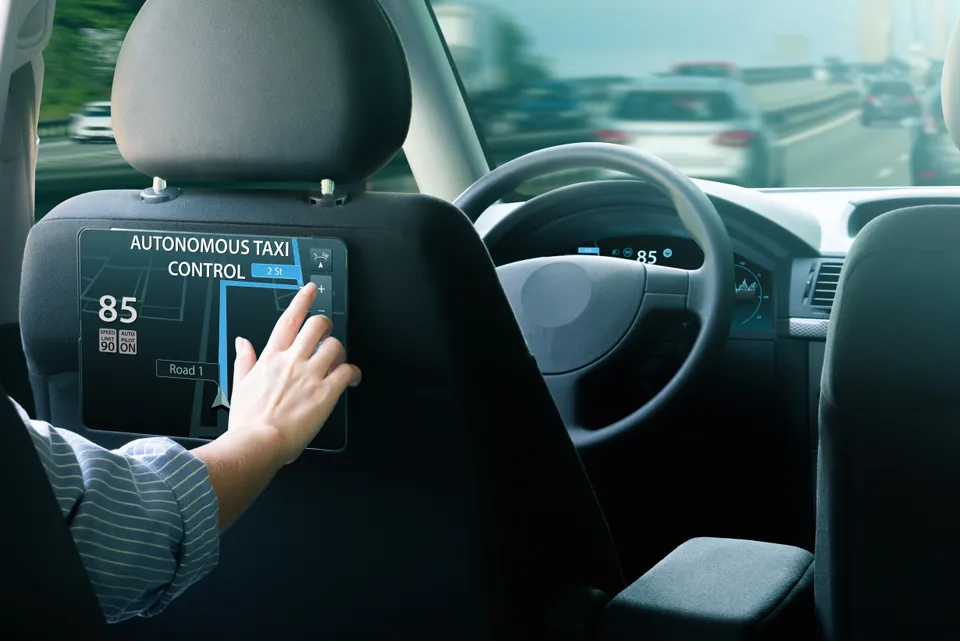
Passenger injury claims are not limited to traditional car accidents. As transportation options expand across Northern Virginia and the DC region, passengers may be injured in a wide range of scenarios, including self-driving vehicles and public transit systems. Autonomous vehicles raise new questions about liability when there is no human driver involved, or determining liability in bus accidents can be especially complex when government entities or private transit operators are involved.
Whether a passenger is injured in a private vehicle, a rideshare, a bus, or a self-driving taxi, the common thread is that passengers rarely control the circumstances that lead to their injuries. Yet insurance companies often look for ways to limit responsibility or shift blame. Understanding how liability works across different transportation settings can help injured passengers recognize when they may have valid legal claims and when experienced legal guidance is necessary to protect their rights.
When Does a Passenger Need to Pursue a Personal Injury Claim?
Not every accident requires a lawsuit, but there are clear situations where pursuing a personal injury claim becomes necessary. You may need legal representation if:
- You suffered long-term and catastrophic injuries
- Insurance companies delay, deny, or undervalue your claim
- Fault is disputed, especially in crashes involving friends or family
- A rideshare vehicle was involved, adding layers of insurance coverage
- A government entity or manufacturer may be responsible
Insurance adjusters often move quickly to protect their company’s interests. Having an experienced Virginia car accident attorney involved soon after an accident can help level the playing field and ensure that evidence is preserved and your rights are protected.
Under Virginia law, injured passengers may be entitled to compensation for:
- Medical expenses, including emergency care, hospital stays, surgery, medication, rehabilitation, and assistive equipment
- Lost wages, including future income if injuries cause lasting limitations
- Pain and suffering, covering physical pain, emotional distress, and reduced quality of life
- Punitive damages, in cases involving reckless or egregious conduct, such as drunk driving
The value of a passenger injury claim depends on the severity of the injuries and the circumstances of the crash.
Car accidents are stressful enough without having to navigate insurance coverage disputes, especially when you were not the one driving. The attorneys at Curcio Law have decades of experience representing injured passengers throughout Virginia and the D.C. area.
Our team is here to help you understand your legal options and protect your rights. For a free case review, contact us online, or for more information, call/text 703-836-3366 or use our live chat.